Water, wildlife and the forces that shape our home. Start with a question about the world outside.
Nature / Earth / Field notes
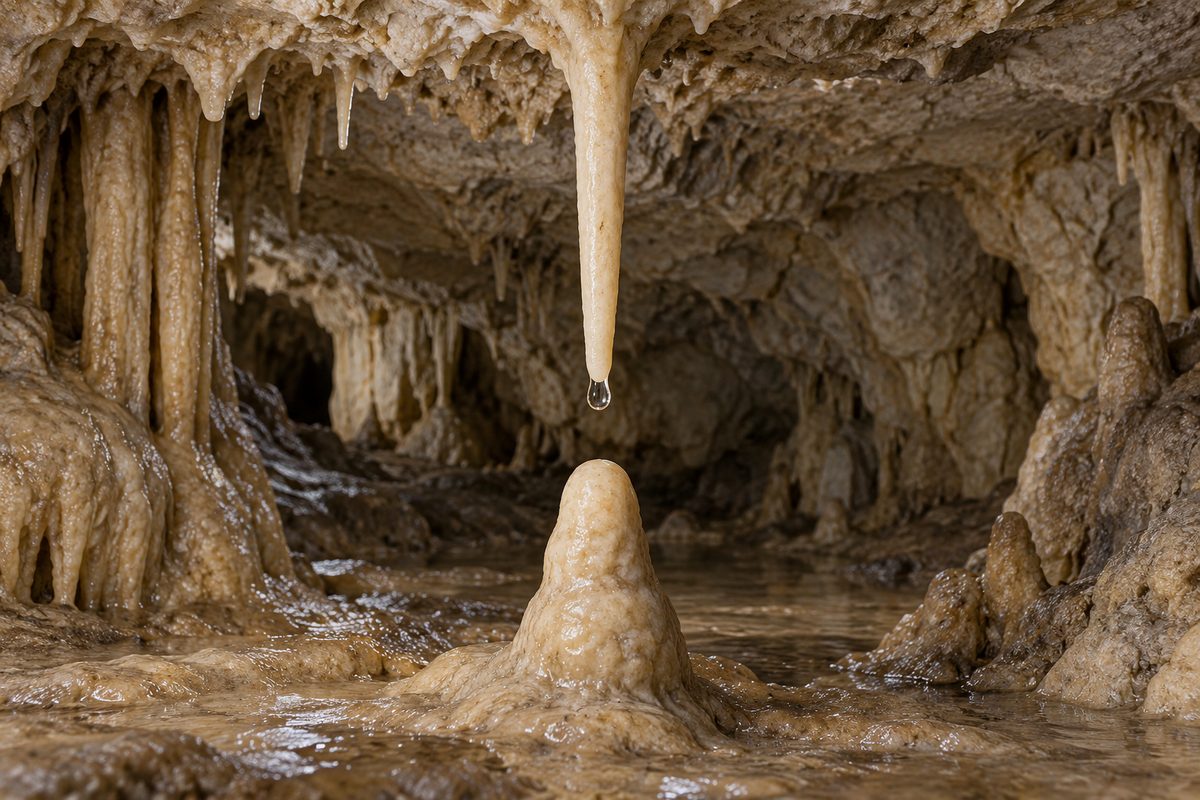
Ceiling down, floor up: the directions are easy to remember. The chemistry explains why water leaves stone behind—and why size does not reveal age.
Read the story ↗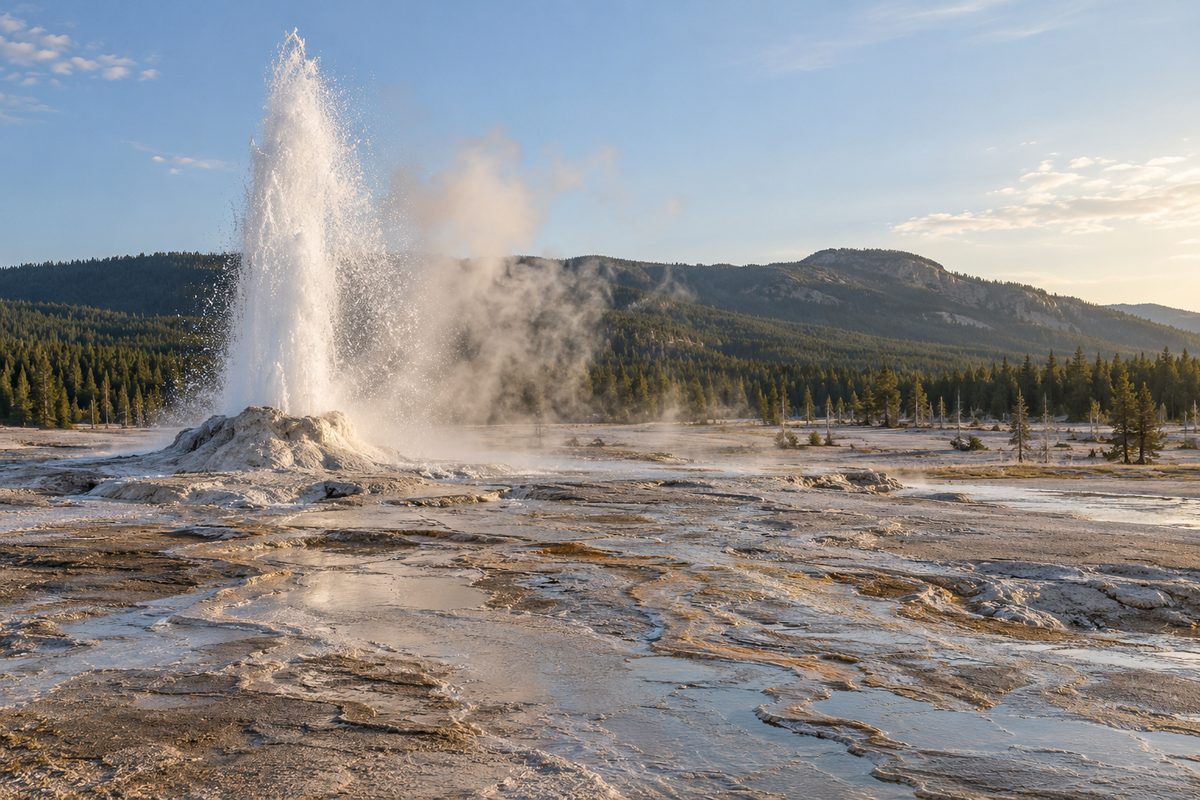
Nature / Earth / Field notes
Heat and water are only part of the explanation. Restricted underground plumbing helps turn stored thermal energy into an eruption.
Read the story ↗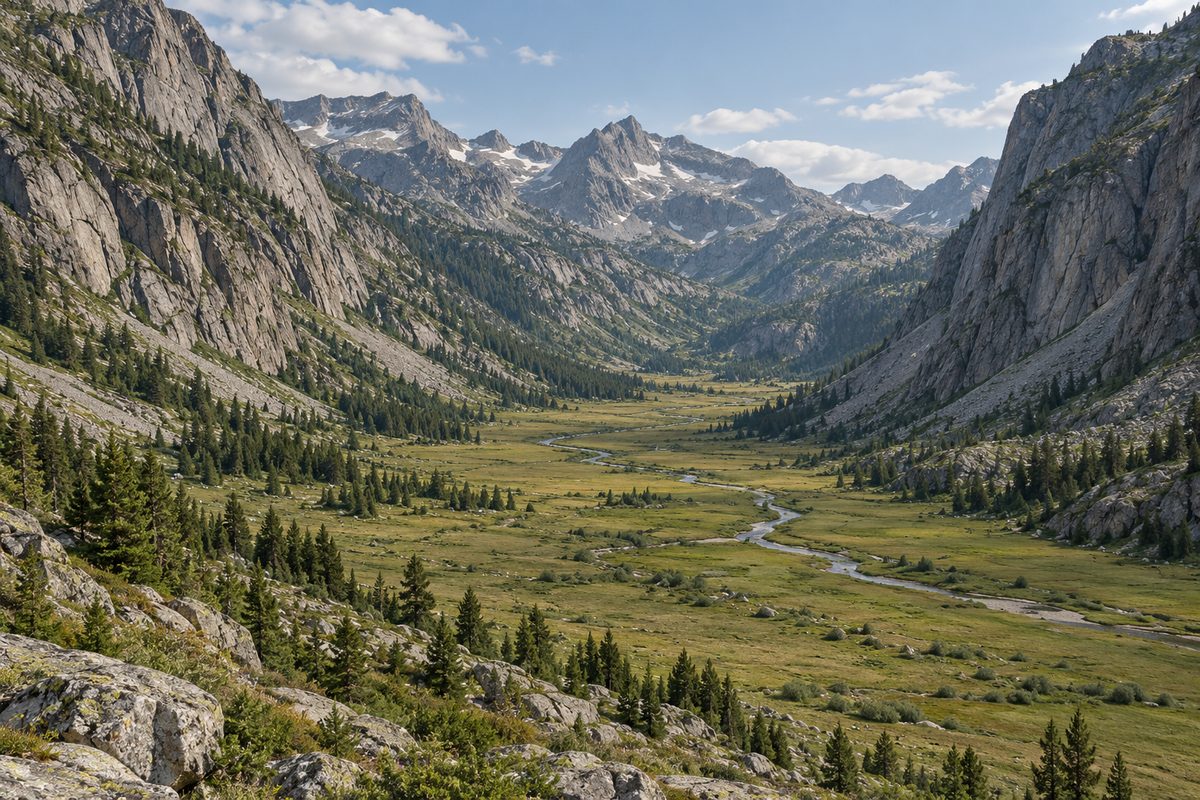
Nature / Earth / Field notes
A small river can run through a valley far wider than its channel. Earlier moving ice helps explain the mismatch.
Read the story ↗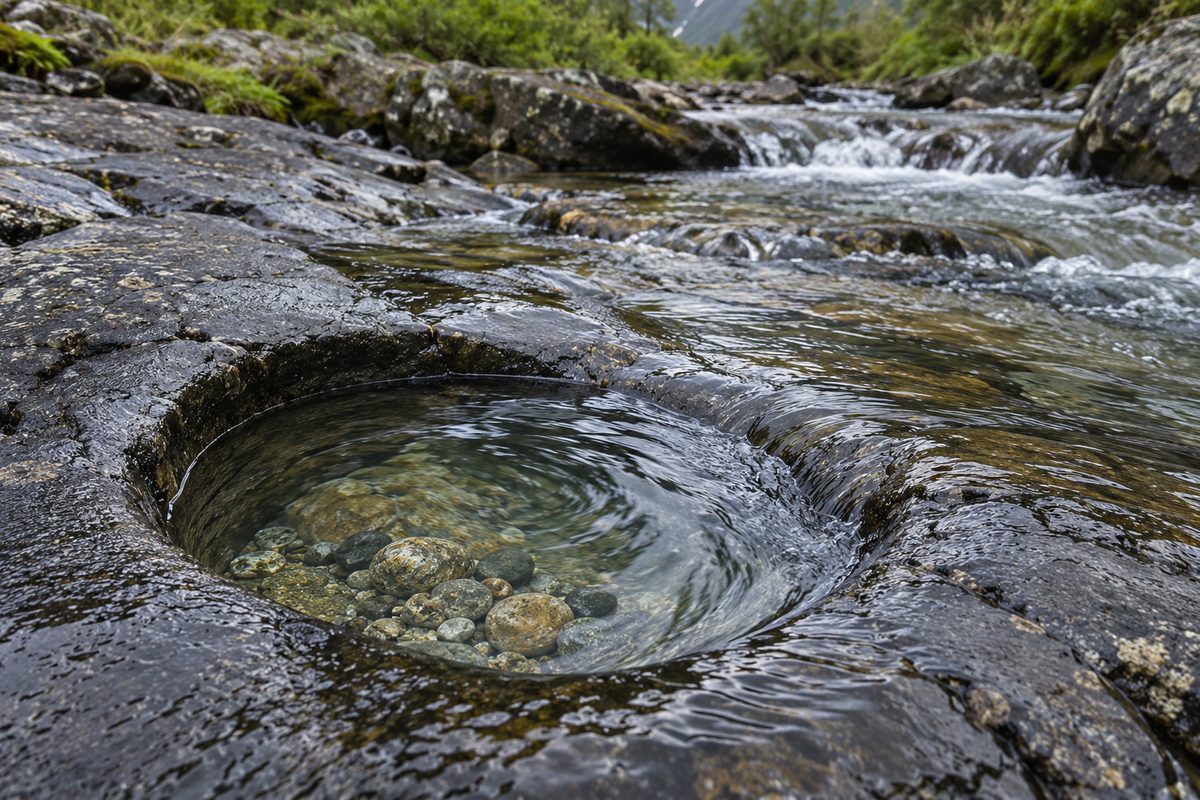
Nature / Earth / Field notes
Swirling water and sediment can wear a smooth cavity into bedrock. A dry hollow may record a river that has moved on.
Read the story ↗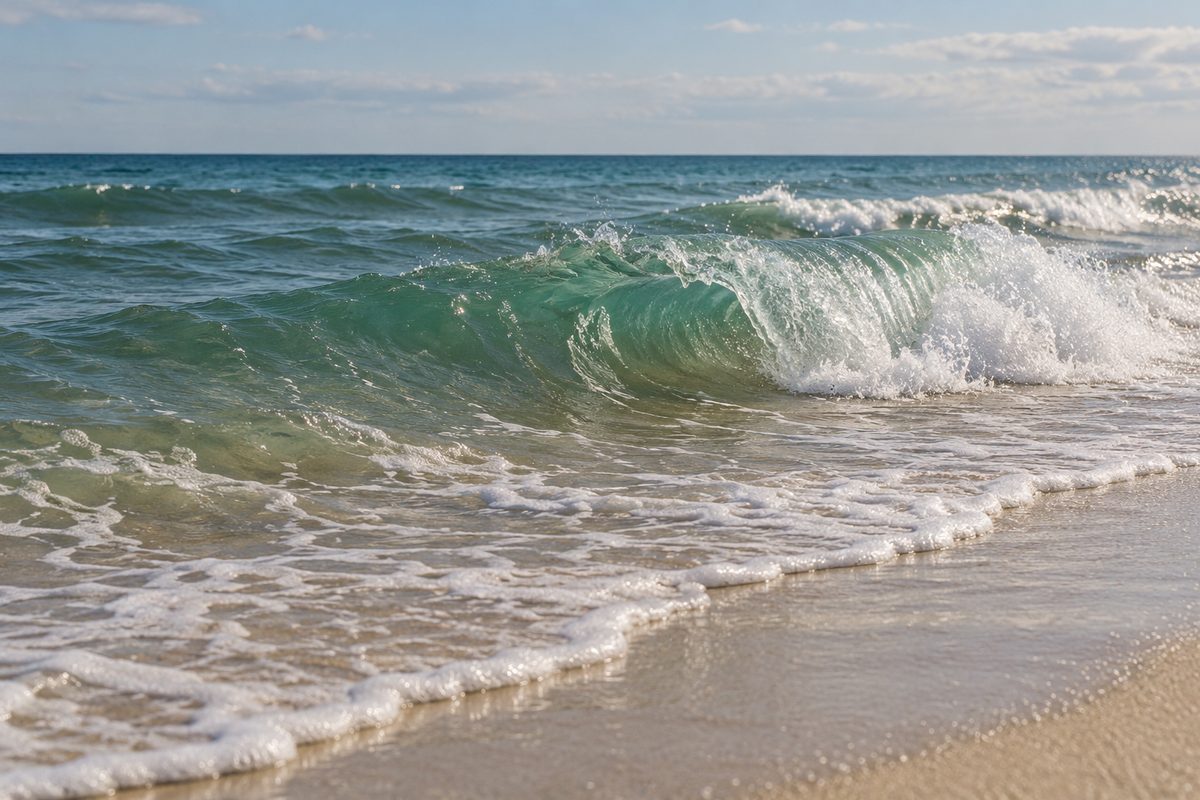
Nature / Earth / Field notes
A wave can travel a long way before it tumbles over. The change happens when its motion interacts with shallower water and the seabed.
Read the story ↗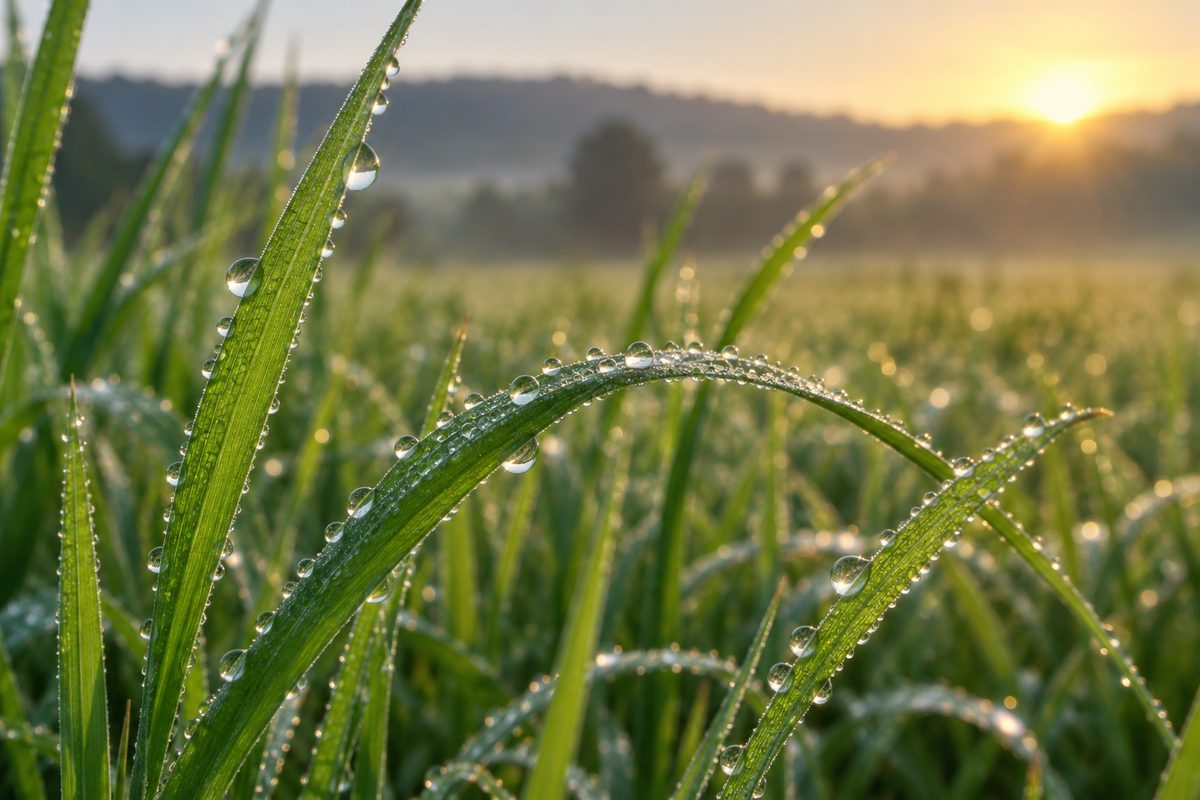
Nature / Earth / Field notes
Dew forms at a cooling surface. That small detail explains why a lawn, a path and a thermometer can tell different stories about the same night.
Read the story ↗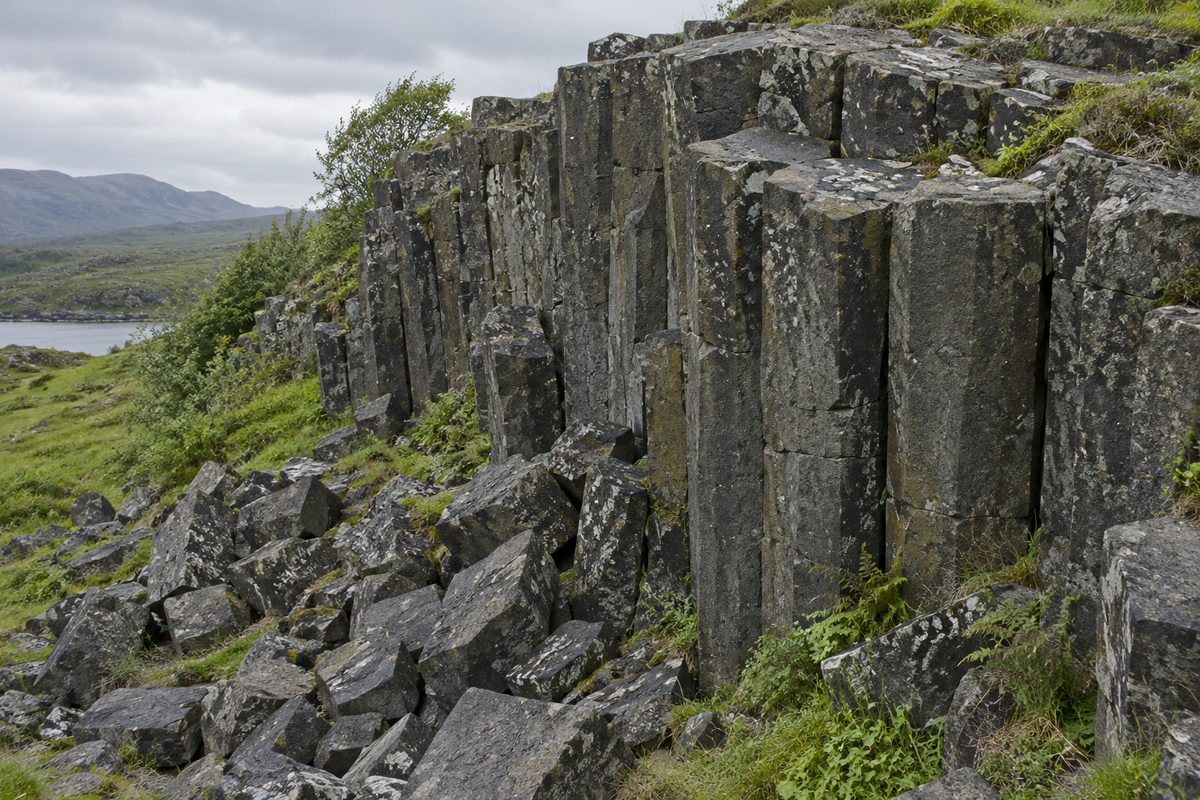
Nature / Earth / Field notes
Those regular stone pillars began as cracks in cooling rock. Their shapes tell a different story from the erosion that later exposed them.
Read the story ↗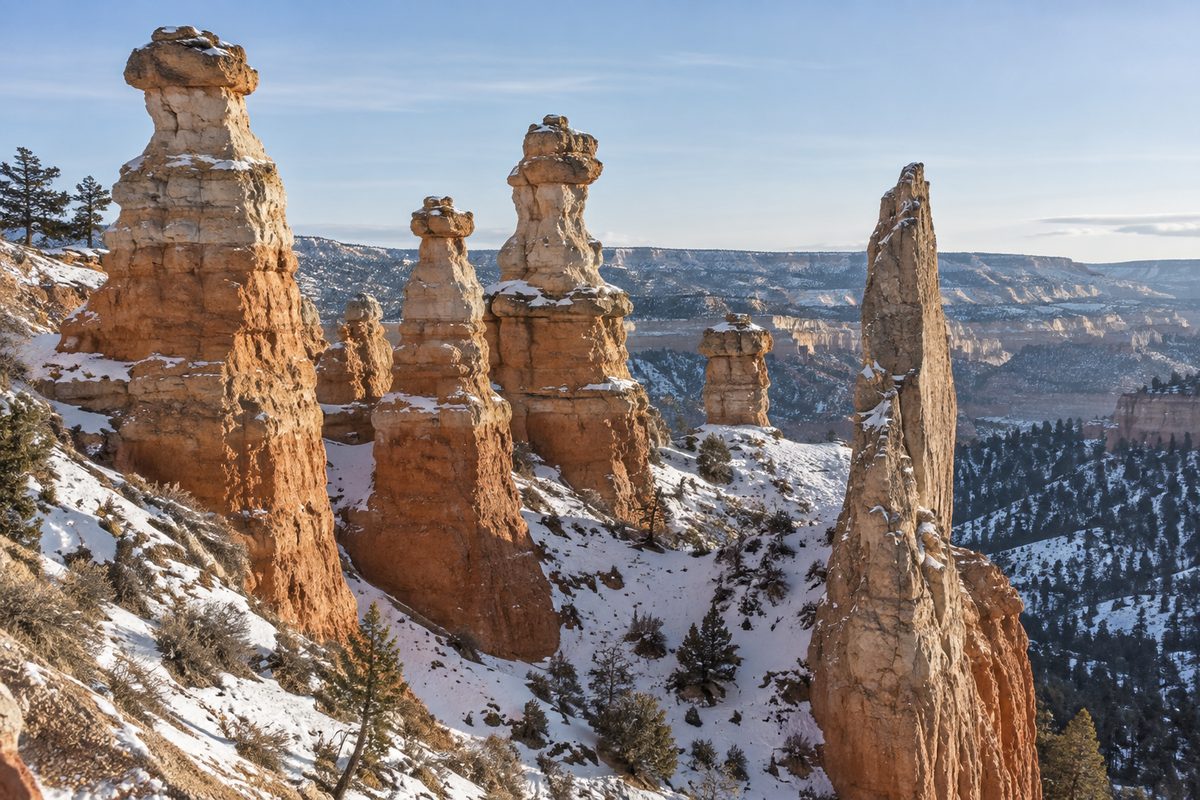
Nature / Earth / Field notes
Cracks, freezing water and unequal weathering help turn rock walls into isolated spires. The shape records what has been removed.
Read the story ↗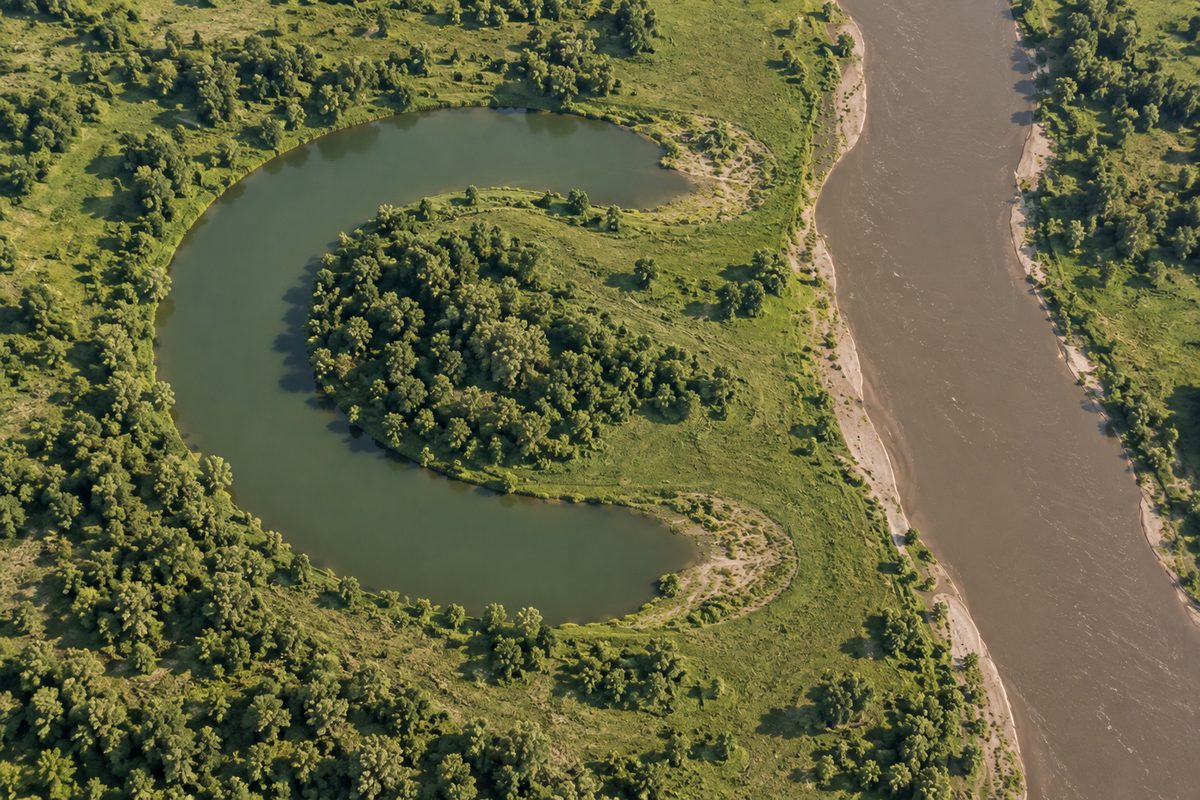
Nature / Earth / Field notes
A curved lake can preserve an old river route. Erosion makes the bend move; a cutoff and deposited sediment change its connection.
Read the story ↗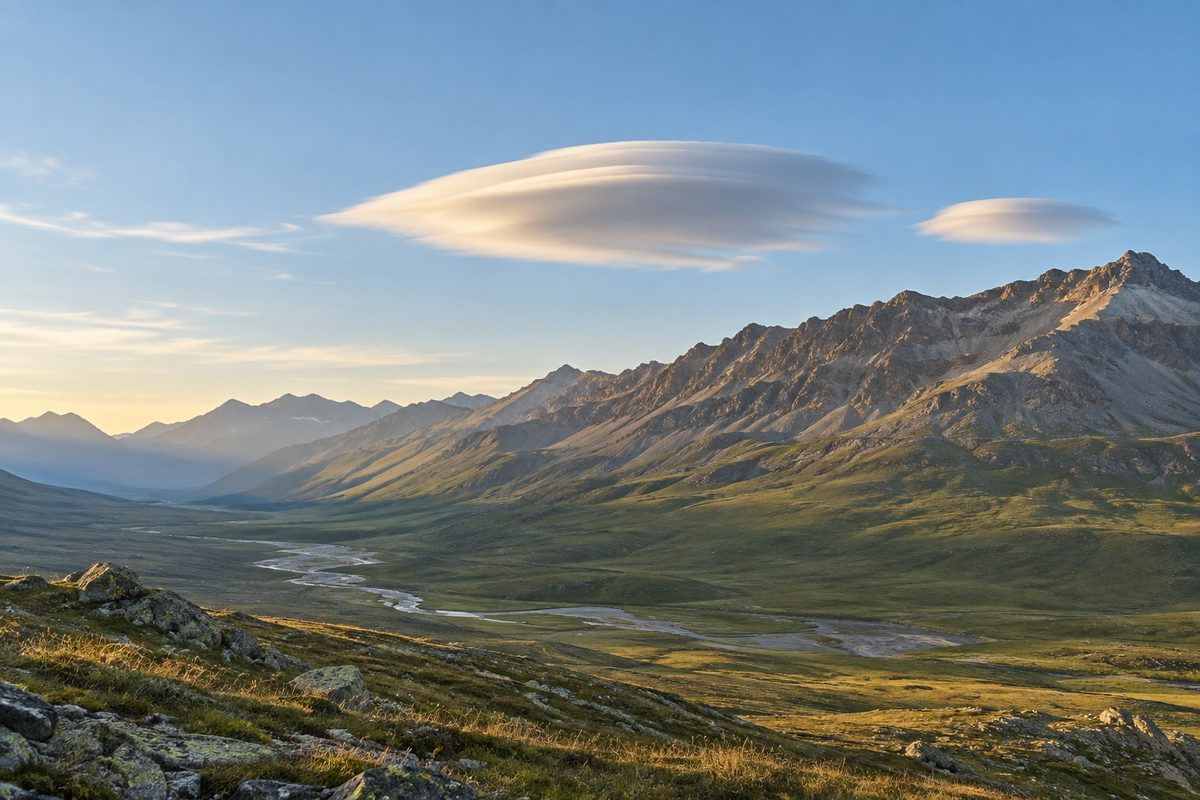
Nature / Earth / Field notes
The air keeps moving through these mountain clouds. Their steady shape comes from a cycle of formation and evaporation.
Read the story ↗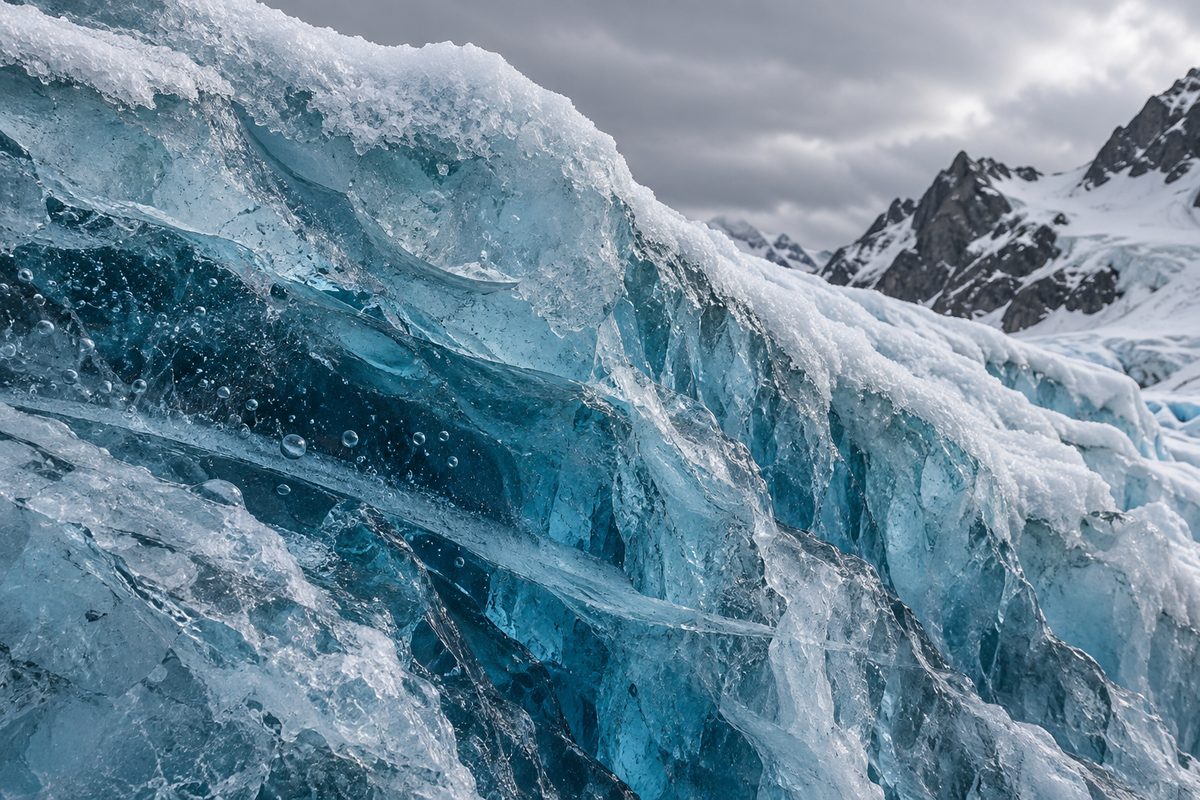
Nature / Earth / Field notes
The difference lies in the route light takes through ice, and how soon it is scattered back toward your eyes.
Read the story ↗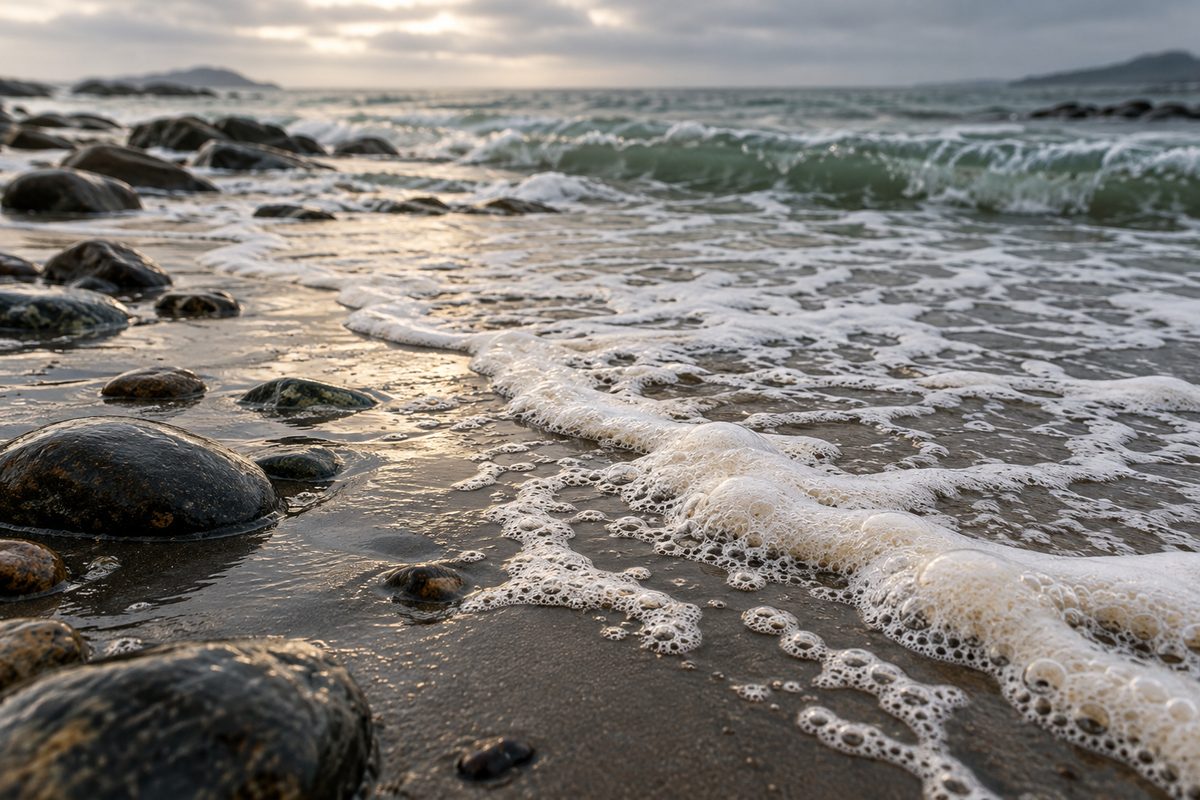
Nature / Earth / Field notes
Wind, waves and organic matter can make a foamy shoreline. The bubbles alone do not diagnose the water.
Read the story ↗


